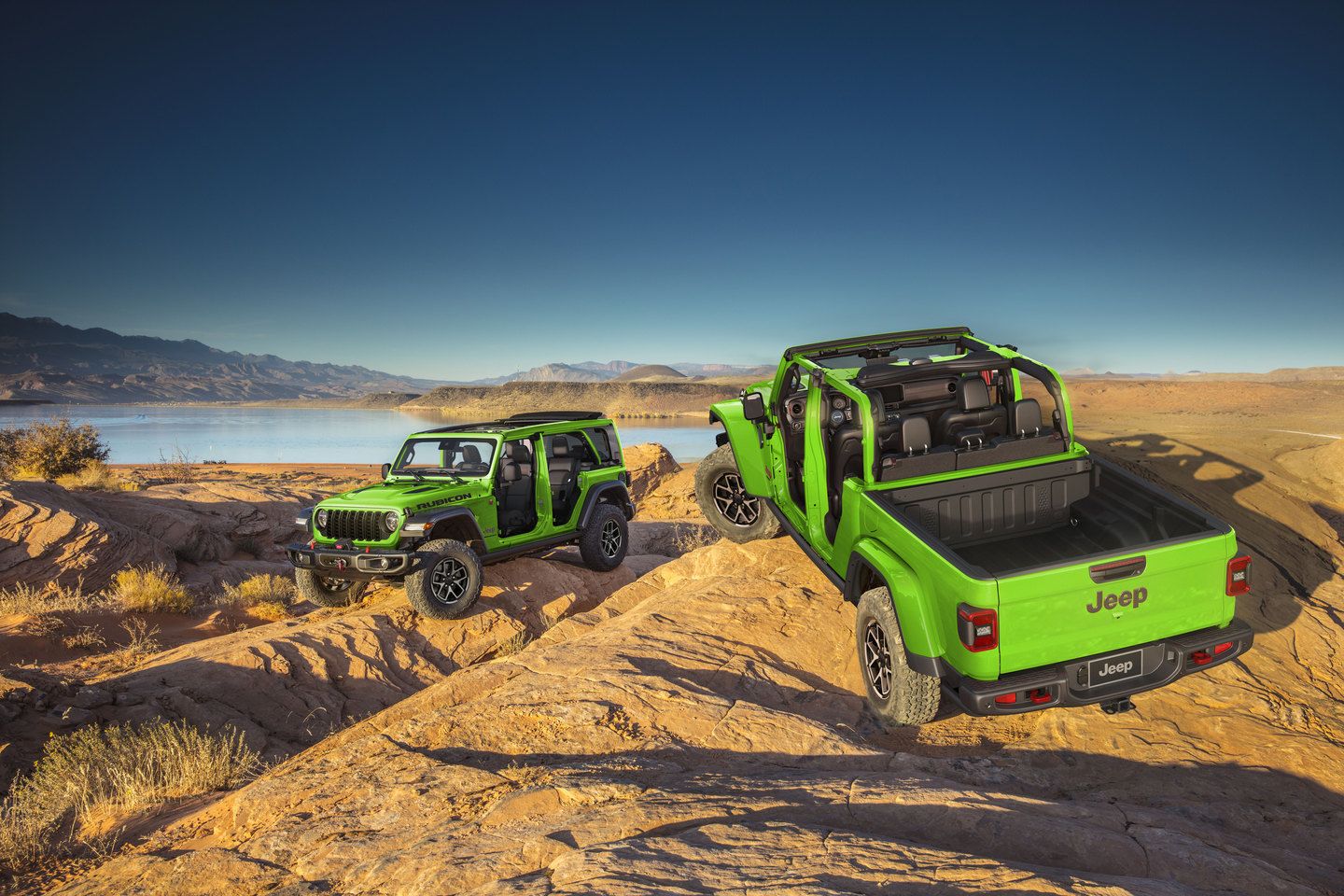
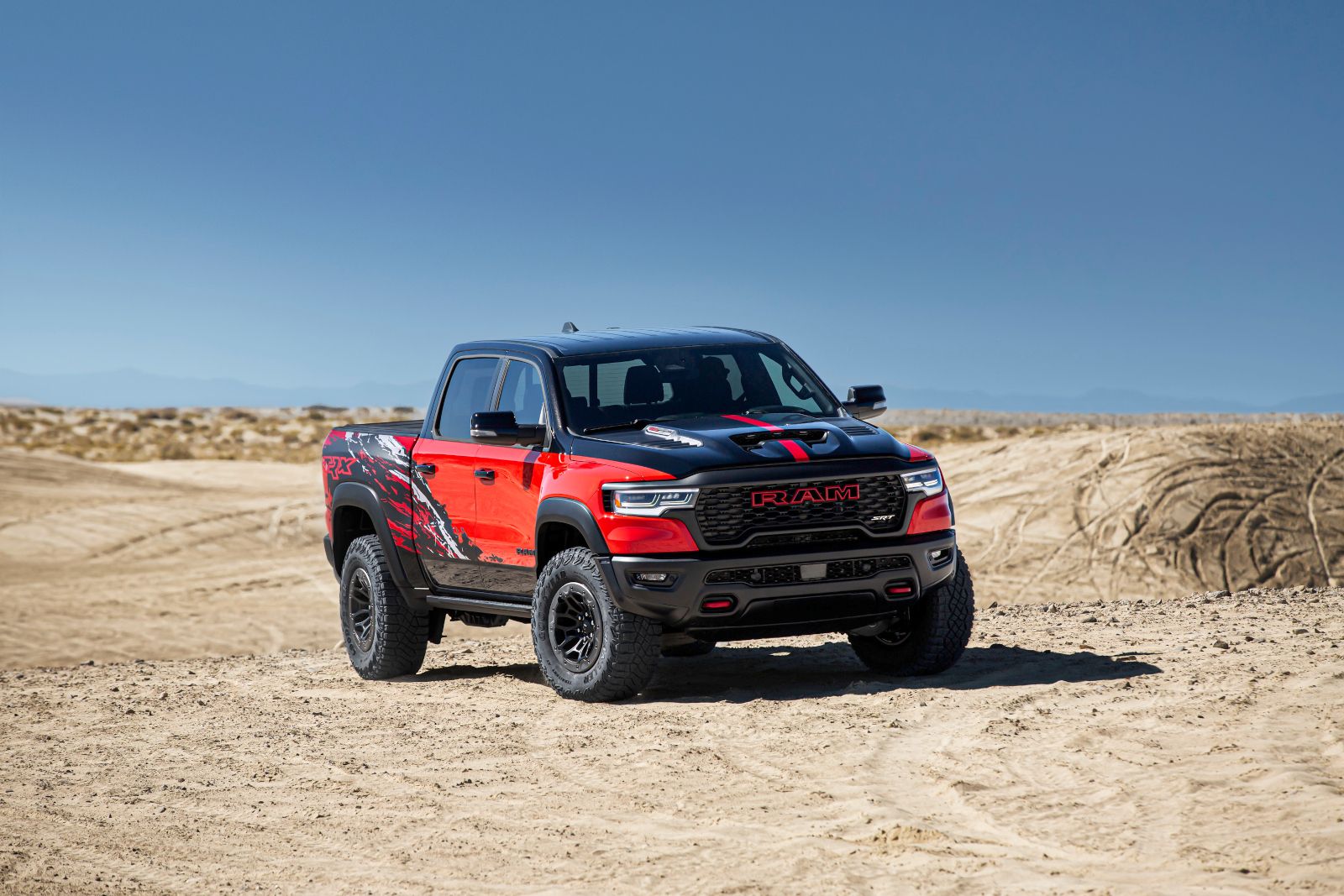
There are vehicles that look capable off-road, and there are vehicles built from the factory to be capable off-road. The Jeep Rubicon has been the definitive example of the second category since 2003. On April 29, 2026, Jeep confirmed that the Rubicon nameplate — covering the Wrangler and Gladiator — had crossed one million units sold worldwide. That number reflects 23 years of buyers choosing factory-engineered trail hardware over aftermarket workarounds.
The road from a prototype built on personal credit cards to one million global sales is not a short one. It runs through the rocky terrain of the California Sierra Nevada, through Moab's red sandstone, and through the driveways of buyers across North America who wanted a vehicle that could handle the weekend without preparation. Here's how it happened.
2003: The "Lunatic Fringe" Builds Something Different
The Wrangler Rubicon was conceived by a small group of Jeep engineers who operated outside the usual product-development framework. They called themselves the "Lunatic Fringe," and the name fit: they used their own money, worked with obsessive attention to off-road detail, and set out to build the most capable Wrangler ever produced without asking whether the market wanted it.
The result was a vehicle that delivered three pieces of hardware no previous Wrangler had offered as standard equipment:
- Tru-Lok locking differentials — front and rear, locking both axles simultaneously for grip on uneven surfaces
- Rock-Trac 4:1 transfer case — an ultra-low crawl ratio that allows precise, controlled movement over technical obstacles
- Heavy-duty underbody skid plates — fuel tank and transfer case protection rated for sustained contact with rock
These weren't marketing features. They were functional changes that made the Wrangler Rubicon genuinely different from every other trim on the lot.
The Mechanical Foundation That Held Across Generations
What made the Rubicon's success durable is that Jeep didn't abandon the original approach when market conditions shifted. The Tru-Lok lockers, the Rock-Trac transfer case, and the heavy underbody protection remained part of the package across every generation of Wrangler that followed. Each new model year inherited the hardware and added to it.
By 2026, the current Rubicon lineup carries the original mechanical package alongside a modern technology layer:
- Off-Road+ drive modes — terrain-specific calibrations for rock, mud, and sand
- Selec-Speed Control with Sand/Stuck recovery — maintains precise crawl speed on technical trail surfaces
- Lockers usable in high-range four-wheel drive — expands when traction management can be applied
- Available WARN winches — factory-integrated recovery, no custom installation needed
- Available tires up to 35 inches — accommodated without re-gearing
The consistency of the hardware formula, updated but never fundamentally replaced, is what kept buyers coming back across 23 years.
Wrangler and Gladiator: Two Vehicles, One Standard
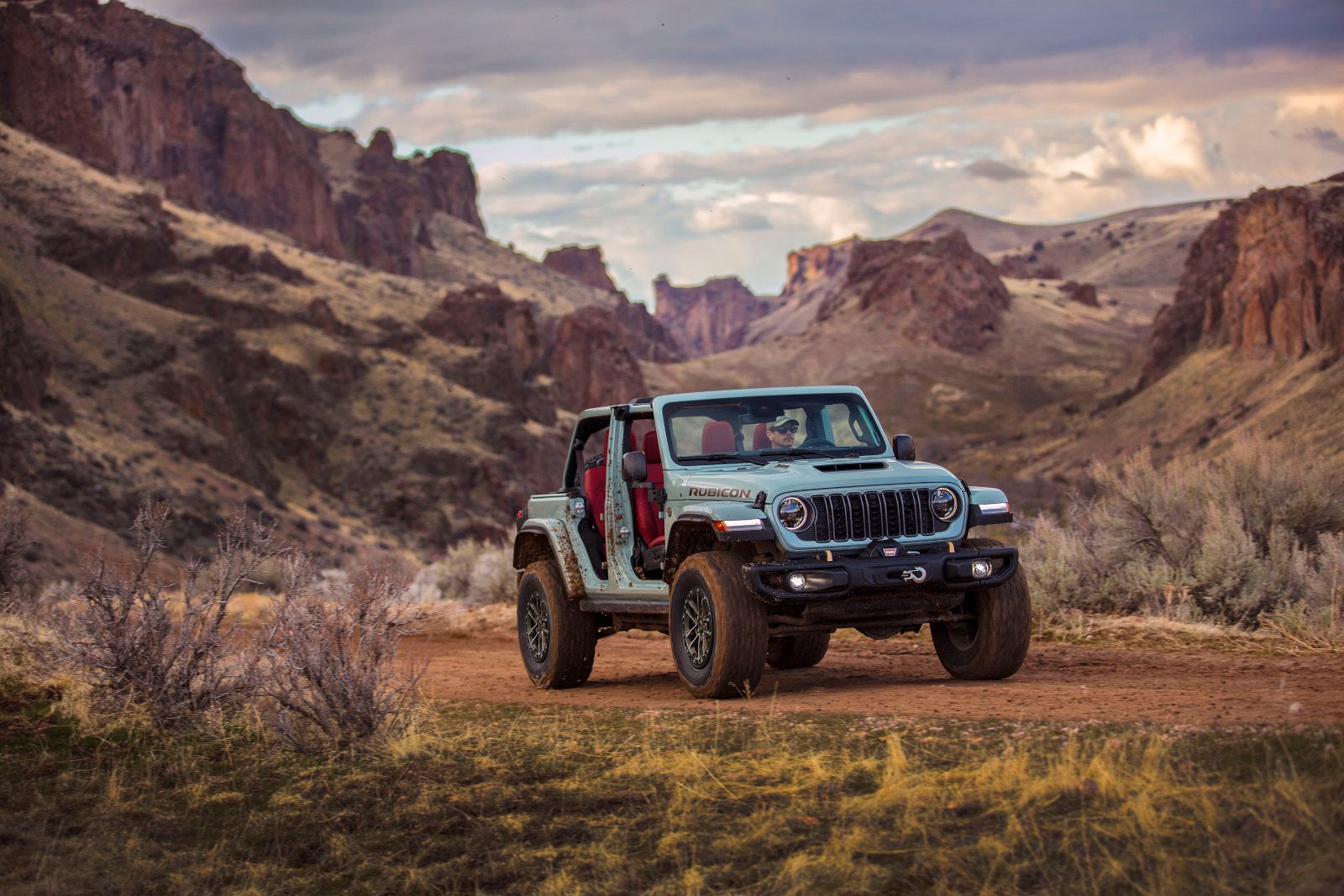
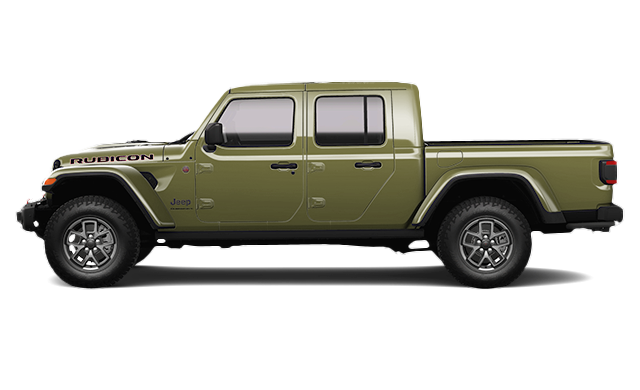
The one-million milestone includes both the Wrangler Rubicon and the Gladiator Rubicon. Each reaches a different buyer, but both carry the same off-road hardware standard.
Wrangler Rubicon is America's best-selling open-air vehicle. Towing capacity reaches 5,000 lbs (2,268 kg), the available crawl ratio is best-in-class, and the vehicle retains the removable doors and fold-down windshield that define the Wrangler experience. In British Columbia, where the terrain shifts from coastal forest to alpine in a matter of kilometres, the Wrangler Rubicon's versatility is a genuine asset.
Gladiator Rubicon brought the same mechanical standard to a pickup truck format. Towing reaches 7,700 lbs (3,493 kg), payload capacity tops out at 1,720 lbs (780 kg), and the Gladiator holds a distinction no other pickup in its segment can match: it is the only Trail Rated pickup truck on the market. Trail Rated certification requires passing Jeep's testing protocol across traction, water fording, articulation, ground clearance, and maneuverability.
|
Model
|
Towing
|
Payload
|
Unique Distinction
|
|
Wrangler Rubicon
|
5,000 lbs (2,268 kg)
|
—
|
Best-selling open-air vehicle in America
|
|
Gladiator Rubicon
|
7,700 lbs (3,493 kg)
|
1,720 lbs (780 kg)
|
Only Trail Rated pickup truck
|
What a Million Sales Actually Means
The Rubicon Trail in California's Sierra Nevada Mountains has drawn organized Jeep runs for decades. The Easter Jeep Safari in Moab, Utah, brings thousands of enthusiasts together every spring. Off-road clubs across North America have built their identity around the capability these vehicles deliver. That community didn't form around a marketing campaign — it formed around vehicles that consistently did what they were sold to do.
The Jeep brand's ongoing Twelve 4 Twelve and Convoy product-drop programs are the most visible sign that the Rubicon story isn't finished. The Whitecap, Rockslide, and Shadow Ops limited editions — released as part of the Jeep brand's 85th anniversary celebration — are all Rubicon-based models. They extend the nameplate rather than departing from it.
One million is the milestone. What comes after it will be shaped by the same principles that got the nameplate there.
See the Rubicon Lineup at Ensign Pacific CDJR in Vancouver
If you want to see the Rubicon's reputation up close, the best approach is to examine the hardware in person. Visit Ensign Pacific CDJR in Vancouver to explore the current Wrangler and Gladiator Rubicon models. The team there can walk you through the features, the trims, and what each model is designed to handle.